


You've accepted an offer on your Long Eaton home, the buyer's survey is booked, and your removal date is still uncertain. The dining table is crowding the room, wardrobes are swallowing useful floor space, and every viewing now feels like a request to keep the house looking perfect while your sale works its way through the chain.
That's why storing furniture during a property sale in Long Eaton is a chain decision, not just a way to tidy the house. The right unit can protect your sale-ready presentation, give you somewhere safe to put bulky items between homes, and stop a delayed completion turning into rushed removals or an unwanted discount.
Why Long Eaton Sellers Often Need Storage Before Completion
A seller on Tamworth Road may accept an offer in March expecting to move into a new-build near Bostock's Lane. Then the mortgage valuation runs late, the survey raises questions, or the solicitors fail to agree a completion date. Packing has started, but the onward home is not ready.
That delay makes furniture storage a chain-risk decision, not just a way to create more floor space. The local analysis previously cited found that Long Eaton sales can take several months, while the wider UK process can also run well beyond the marketing period. Plan for the gap between agreeing a sale and completing the move, rather than assuming both dates will align.
Storage protects the sale and the chain
Large furniture weakens a room's presentation online and during viewings. A tall sideboard can block light, a deep armchair can interrupt the route through a lounge, and a complete dining set can make a kitchen-diner look awkward. Removing those pieces gives buyers a clearer view of the property's size and possible uses.
The timing risk matters just as much. If your buyer's purchase depends on another sale, a delay can leave you choosing between rent-back, extra removals, or a discount to preserve the original date. Rent-back lets you stay after completion, but it requires the buyer's agreement and leaves you working under a fixed tenancy. Bridging removals can protect the chain, yet each collection, delivery and waiting period adds cost, handling and opportunities for damage.
Short-term self storage gives you more control. Clear bulky items before photographs, keep furniture safely accessible, and arrange final delivery when the onward property is ready. Review Long Eaton moving-home storage before your dates become fixed, especially if the buyer, developer or solicitor has already warned of possible delay.
A storage unit can also beat a rushed discount. If keeping furniture off-site protects the presentation that helped secure the offer, the fee may be easier to justify than accepting less for a quick completion.
Practical rule: If your sale could complete before the onward property is ready, decide where the furniture will go before exchanging contracts.
Decide before the chain forces you to
Book early enough to secure suitable space, but set the start date around your likely packing and marketing schedule. Storage is particularly useful when the buyer has not sold, a developer changes its handover date, or searches and enquiries are taking longer than planned.
It also prevents the removal van becoming your temporary storage plan. You avoid leaving possessions in rented accommodation, paying for repeated collections, or making a rushed decision because completion is approaching.
A Long Eaton sale measured in months can create a completion gap measured in weeks. Treat that gap as part of the move, with a unit, access plan and delivery route agreed before exchange.
Mapping Your Sale Timeline to Storage Decisions
Storage is a chain-risk decision, not a question of spare space. Book too early and you pay before the furniture needs to leave. Book too late and a delayed buyer, changing handover date or failed chain can leave you choosing between rent-back, repeated removals and a rushed discount.
As noted earlier, Long Eaton sales can take months, while the completion gap may last only weeks. Use that earlier timing guidance to set a planning window, then confirm dates with your agent, solicitor and removal company. A flexible unit usually costs less than changing the entire move because one link in the chain slips.
Match storage to each sale phase
Instruction and preparation rarely needs a unit. Remove pieces that make rooms look cramped, but keep enough furniture to show how each room works. If the property needs substantial staging, reserve space for the items that will leave before photography.
Marketing is the first point at which short-term storage can protect the sale. Clear bulky furniture before photographs and keep rooms consistent for viewings. A damp garage or shed is a poor substitute, particularly for upholstered items and wooden furniture.
Offer and negotiation is when you should test the chain. Ask whether the buyer has sold their own property, whether their mortgage is progressing and whether anyone else is waiting to complete. A buyer who still needs to sell creates a stronger case for a provisional storage booking.
Conveyancing can stretch beyond the date everyone first discussed. Set up storage with an extension option rather than choosing a booking that ends on the expected completion day. That gives you room to respond if searches, enquiries or funds delay exchange.
Completion and the onward gap make storage most valuable. If you must leave before the next home is ready, the unit bridges the move without forcing furniture into temporary accommodation. It can also beat rent-back when the seller needs certainty, or beat a discount offer when leaving earlier protects the agreed sale.
| Sale Phase | Typical Length in NG10 | Storage Needed? | Recommended Unit Booking |
|---|---|---|---|
| Instruction and preparation | Qualitative planning phase | Usually not | Reserve only if substantial staging is required |
| Active marketing | Local selling window | Sometimes | Short booking for bulky staging furniture |
| Offer and negotiation | Short interval after an offer | Occasionally | Confirm availability and access terms |
| Conveyancing | Can extend over several weeks | Often if dates slip | Flexible booking with a buffer |
| Completion and onward gap | Depends on the chain | Usually | Book until the new property is ready |
Road links near Long Eaton station and the Trent crossings can make the move feel local while buyers, sellers and solicitors are spread across Beeston, Chilwell, Derby or Loughborough. One delayed transaction can therefore affect every move below it. Keep the unit close enough for practical access, but choose based on the furniture volume, access arrangements and extension terms rather than location alone.
Three triggers deserve action
Make a provisional booking when the buyer's offer depends on selling another property. Confirm storage once your completion date is close to the date you must leave. Arrange it early if a landlord, relative or temporary accommodation provider requires you to vacate before the purchase completes.
For the practical details of a temporary move, this guide to short-term storage covers the planning period between homes. The local decision is straightforward: storage beats rent-back, repeated removals or a discount when it protects your chain and gives the furniture a secure holding point. Choose a booking that can extend, and agree the delivery route before exchange.
Preparing and Packing Furniture for Short-Term Storage
The best packing plan starts with the estate agent's photographs, not the removal van. Walk through each room as though you're seeing it on Rightmove for the first time. Anything that blocks a doorway, dominates a small room or prevents a buyer from understanding how the space works should be considered for removal.
Start with oversized wardrobes, dining tables, sideboards and bulky armchairs. Then look at personal furniture that makes the room feel specific to your household. Buyers need to see usable space, not every item you've collected over the years.
Remove, record and protect
Take clear photographs of every valuable or fragile item before wrapping it. Photograph existing marks as well as the overall condition, then keep the images with your inventory and insurance documents.
Dismantle beds, tables and shelving where the manufacturer allows it. Keep screws, brackets and fittings in labelled bags taped to the relevant item. Flat-pack boxes where possible, but don't force furniture into shapes that could weaken joints or damage veneers.
For upholstered pieces, use breathable cotton sheets or furniture covers. Plastic can trap moisture and encourage unpleasant smells. You can use vacuum seal storage bags for suitable soft household items, but avoid compressing anything that needs to retain its shape, such as cushions with delicate fillings or structured upholstery.
Solid wood furniture needs padding against knocks and scratches. Furniture blankets, quilted covers and corner protection are safer than loose plastic film. Dry every item fully before it enters the unit, especially anything that has been stored in a kitchen, utility room, loft or garage.
Pack for the next delivery
Label boxes by room, not just by contents. “Kitchen, daily essentials” is more useful on delivery day than “miscellaneous”. Keep a written inventory on your phone and in a paper copy inside the unit.
Leave a walkway to the pieces you may need first. Put heavier items low, keep lighter boxes above them, and don't lean fragile furniture where another item can fall against it. Keep furniture off the floor and leave breathing space around walls, following UK storage guidance that recommends a 2–3 inch air gap and humidity below about 50% as an operational benchmark (UK wooden-furniture storage guidance).
Photograph the empty room before the van arrives so the agent can refresh the listing if needed. Keep a neutral rug, a simple lamp and a small number of useful pieces in the house. If access permits, a unit with frequent access lets you adjust the staging without dragging everything back from a friend's garage.
Choosing the Right Unit Size for Your Home
A staged one-bedroom terrace may need only its sofa, wardrobe and table out of sight. Add garden equipment, bikes and loft boxes, and a family move quickly needs a larger unit. Choose storage around the furniture leaving the property, not the home's total contents.
Use these bands as a starting point for Long Eaton. Measure the largest pieces, allow room to load safely, and view the unit before signing.
| Home Type | Recommended Unit | Typical Contents Stored |
|---|---|---|
| One-bedroom flat or terrace | 50 sq ft | Sofa, bed, wardrobe, small table, sideboard and selected boxes |
| Two-bedroom semi | 75 sq ft to 100 sq ft | Sofas, dining set, beds, wardrobes, shelving and moving boxes |
| Three-bedroom family home | 100 sq ft to 150 sq ft | Main household furniture, appliances, beds, boxes and selected outdoor items |
| Four-bedroom detached home | 150 sq ft or more | Larger furniture, loft overflow, bikes, tools and outbuilding contents |
Current UK guidance places a one-bedroom flat at 50 sq ft, with regional pricing of roughly £15 to £30 per week. A two-bedroom flat generally starts around 75 sq ft, at about £25 to £45 per week, while a three-bedroom house may need 100 sq ft, costing roughly £35 to £60 per week (UK storage-size and pricing guidance).
For a Long Eaton terrace near Nottingham Road, choose 50 sq ft when you are storing only bulky staging pieces. A two-bedroom home in Sandiacre or Beeston Rylands usually needs 75 sq ft to 100 sq ft once sofas, wardrobes and dining furniture are included. Three-bedroom homes need a closer look at 100 sq ft to 150 sq ft, particularly if loft or garden contents are joining the move.
Storage-space test: If furniture has to pass through a narrow gap, the unit is too small.
Garden tools, bikes and outbuilding contents can push the booking into the next size band. Sellers arranging professional photography should choose spare capacity rather than cram furniture against the walls. That extra room protects the sale timeline by making removals, viewings and any change of staging easier, without relying on rent-back or accepting a discount to clear the property.
Use Orange Box's storage unit size guide to match individual items to available space. You can also compare storage units from Best London Removals before booking, especially for access and layout. When the sale chain is uncertain, a slightly larger unit is usually cheaper than delaying the move or paying for another collection.
What Storage Will Cost in the Long Eaton Area
A low weekly rate can become expensive if the unit has restricted access, unsuitable insurance or costly extension terms. For a property sale, compare the full chain cost, not just the advertised storage price. A flexible unit can protect completion dates and prevent pressure to accept a discount or pay for an awkward rent-back arrangement.
Regional guidance suggests a 50 sq ft unit may cost roughly £15 to £30 per week, a 75 sq ft unit about £25 to £45 per week, and a 100 sq ft unit around £35 to £60 per week. Long Eaton prices vary with the operator, location, access arrangements, unit condition and contract. Use these figures as planning ranges, then request a written quote for the exact unit and term.
Budget for the chain, not just the advert
A short booking can run longer when a buyer's solicitor raises further enquiries or the onward property changes date. Ask for the extension rate before moving furniture in. Check whether the opening price is promotional, whether payment is weekly or monthly, and whether the operator adds a deposit or administration fee.
Check these costs before comparing quotes:
- Insurance: Confirm whether separate contents cover is required and whether your home policy excludes stored goods.
- Deposit: Ask how much is held and when it is returned.
- Access: Check whether evening, weekend or out-of-hours entry costs extra.
- Changes: Find out whether changing unit size during the booking creates a new fee or rate.
- Notice: Read the cancellation and notice terms before signing.
Broader regional pricing guidance places smaller units around £12 to £20 per week, 75 sq ft to 100 sq ft units around £18 to £32 per week, and 150 sq ft or larger units around £30 to £50 per week. Treat those bands as a budgeting guide, not a guaranteed Long Eaton quote.
For a 100 sq ft unit booked for 10 weeks, multiply the weekly rate by the booking period, then add any deposit, insurance and administration costs. Allow for an 8–12 week marketing and completion period when planning the full cycle. Depending on unit size and extras, the broader guidance places many storage plans around £400 to £1,200. Orange Box's UK storage cost overview provides a useful check before you compare local quotations.
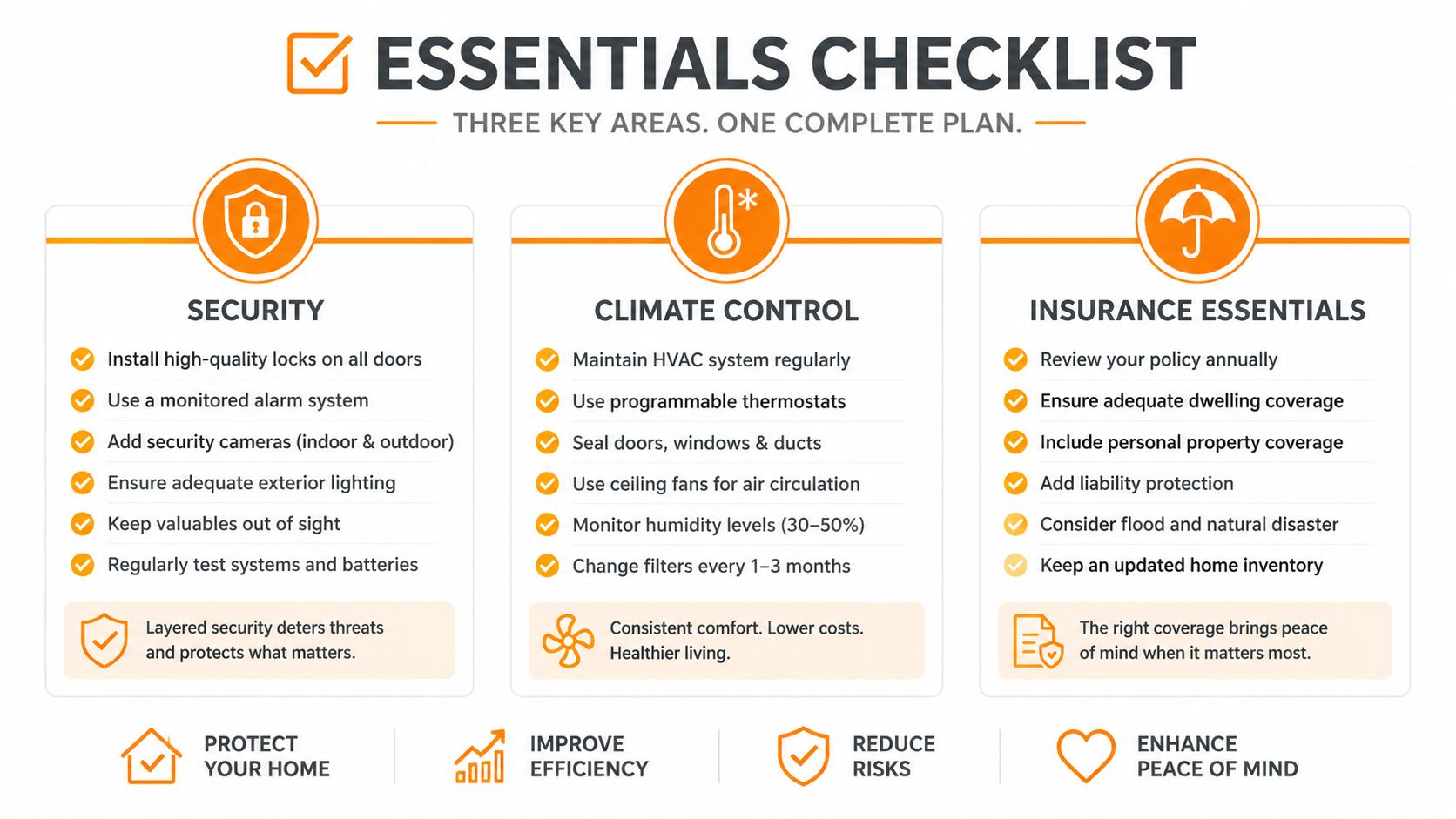
Security, Climate Control and Insurance Essentials
A storage unit is only useful if your furniture arrives at the new home in the condition it left the old one. Before signing, check five things in person or with precise questions: security, environmental protection, insurance, access and contract flexibility.
Security should include CCTV, controlled entry and a secure perimeter. Individually alarmed units and on-site staff during trading hours add reassurance, particularly when you're holding solid wood furniture, electronics or valuable personal items. Ask how the operator handles lost keys, damaged locks and unauthorised access.
Match the environment to the furniture
Standard indoor storage is generally suitable for a short stay when furniture is clean, dry and properly covered. Sensitive items deserve closer attention. Solid wood, antiques, leather suites, musical instruments and pieces that have come from a damp-prone kitchen can react badly to changes in temperature and humidity.
Ask whether the facility offers climate protection or humidity control, and whether the unit is inside a weather-protected building. Breathable covers, raised furniture and space around walls remain important even in a managed environment.
Read the policy before loading the van
Contents insurance often excludes goods held away from your home. Many operators require proof of cover, so arrange dedicated storage insurance if your household policy doesn't extend to the unit. Check exclusions for mould, gradual deterioration, inadequate packing and unattended goods.
Access terms matter during a sale. 24/7 access can help if the agent requests a staging change at short notice, while limited hours may be perfectly adequate if you're storing everything until completion. Choose based on your likely use, not on a feature you won't need.
Finally, favour a month-to-month agreement or another flexible term. Read the notice period, extension rate, payment dates, lock requirements and rules for changing units. A chain delay is stressful enough without discovering that your contract ends before the completion date.
Booking With Orange Box and Moving Day Without the Stress
Moving day works best when you treat storage as the bridge between two fixed points, even though the dates around it may remain uncertain. Start by comparing the expected completion date with the 14-day free period offered by Orange Box Self Storage on Tamworth Road, then confirm the terms directly before booking.
Reserve the unit online or by phone, pay the required deposit, and secure a move-in slot that matches the removal company's arrival. Don't wait until the morning of completion to discover that the unit is unavailable, the van is too large for the access route, or the facility's opening hours don't match your schedule.
Choose the arrangement that fits your chain
If you're buying before selling, keep furniture in storage until the sale completes and the onward home is ready. This avoids filling the new property with items that still need to be moved or risking a second round of removals.
If you're selling before buying, storage is usually the cleanest solution. Move out properly, place the household contents in the unit, and deliver them once you've found and completed on the next home. That arrangement gives you more freedom to accept a buyer's preferred completion date.
For simultaneous completions, ask the removal company to plan the loading sequence carefully. Keep the property's essential items separate, and make sure the driver knows which furniture is going to storage and which pieces are travelling directly to the new address.
Move-day instruction: Create two clearly marked loading zones, one for storage and one for immediate delivery. Mixed loads cause avoidable delays.
Load storage first
The removal team should load the pieces going into storage first if the vehicle layout allows it, or use a clear manifest to prevent essential items being buried behind long-term storage contents. Keep overnight essentials, documents, medication, chargers, clothes and cleaning supplies together in a separate area.
At the unit, place large furniture along the perimeter and keep a usable route to the back. Store the items you may need soonest near the entrance. Don't stack boxes against fragile upholstery, and keep the inventory list accessible rather than buried under a mattress.
Once the storage load is secure, deliver the lighter staging set to the sold property or the onward address, depending on the chain. Photograph the unit after loading, including the padlock and the general arrangement, so you have a clear record of how everything was left.
Avoid the five moving-day failures
- Underestimating van time: Allow for dismantling, lift access, traffic and careful loading. A rushed team is more likely to damage corners and floors.
- Skipping access checks: Confirm the van route, loading bay, lift, gate and unit entrance before the booking day.
- Forgetting the inventory: Label every item and keep a copy on your phone and in the unit.
- Using a poor padlock: Choose a strong lock that fits the facility's requirements and keep spare keys secure.
- Handling white goods badly: Drain and dry appliances before transport, then follow the manufacturer's guidance before switching them on after delivery.
Storing furniture during a property sale in Long Eaton should remove pressure from the chain, not create another source of uncertainty. Book for the date you know, include a sensible buffer, and ask for the extension cost before your furniture arrives.
Orange Box Self Storage offers Long Eaton storage for household furniture and possessions, with flexible rental arrangements and local access options to discuss around your completion date. Visit Orange Box Self Storage to check available units and arrange storage before a delayed chain dictates your moving plan.