
You usually start looking for storage when life is already in motion. A house move has slipped by a week. Stock has outgrown the spare room. Tools are taking over the van. Or you’ve reached the point where the loft, garage, and cupboards aren’t solving the problem anymore.
That’s when storage needs to do more than hold boxes. It needs to be easy to reach, straightforward to book, secure enough that you stop worrying once the door shuts, and practical enough that getting things in and out doesn’t turn into another job. In Grantham, that matters whether you’re moving near the A1, running a small business on an industrial estate, or just trying to get a home back under control.
Why Grantham Chooses Orange Box Self Storage for Secure Storage
A week before completion, a dining table is wrapped and ready, the sofa is blocking the hallway, and the new keys still are not in hand. On the business side, stock has spilled out of the spare room and into the office. For students, term dates and tenancy dates rarely line up neatly. Storage needs in Grantham often start in situations like these, where timing matters and the wrong setup creates extra work.
What people usually need is straightforward. They want a site that is easy to reach, unit options that fit the job rather than waste money, and security that stands up to more than a padlock on a door.
The Grantham facility suits that kind of use because it was planned for mixed, everyday demand. It is part of the Orange Box Self Storage network, which includes locations in Nottingham, Long Eaton, Derby, Ilkeston, Grantham and Beeston. At Grantham, customers can choose from a large range of indoor units as well as drive-up storage, which gives households, tradespeople, and local firms different ways to store depending on what they are moving and how often they need it.
Storage that fits local routines
A homeowner storing for a move usually wants to avoid two common problems. Long detours to the unit, and damp or temperature swings that can affect furniture, books, or boxed household items. A business user often has a different priority. Fast loading, reliable access, and a unit that works as overflow stock space without turning every collection into a half-day job.
That difference matters.
Generic listings tend to stop at "secure storage" and "flexible terms." Useful guidance goes further and explains why certain features matter for different users. Dual-layer site security helps reduce common access risks. Stable internal conditions matter more when a unit holds upholstered furniture, paperwork, electronics, or packaged stock. Insurance matters because even careful packing does not remove every risk, which is why it is worth reviewing contents insurance for storage units before move-in.
Tradespeople often judge a site by the first and last hour of the day. If access is awkward, the storage unit slows the job down. Online retailers judge it by handling time. If pick-ups, restocks, and stock checks become clumsy, storage stops being useful and starts eating into margins.
If you are comparing options during a move, it also helps to look at broader moving advice, not just facility listings. Posch & Silva has a useful guide to the key benefits of a storage facility that explains how temporary storage can make a move more manageable when dates do not line up cleanly.
Why scale matters
A larger facility gives customers a better chance of finding a unit that matches what they need. That can mean keeping a flat move in one unit instead of splitting it awkwardly, or starting with a modest business storage setup and changing size later if stock levels rise.
In practice, choice reduces compromise. It helps families store furniture without cramming fragile items into leftover gaps. It helps growing businesses avoid paying for too much empty space. It also makes the Grantham site useful for more than one type of customer, which is why it serves everyone from people between homes to firms that need a dependable local base for storage.
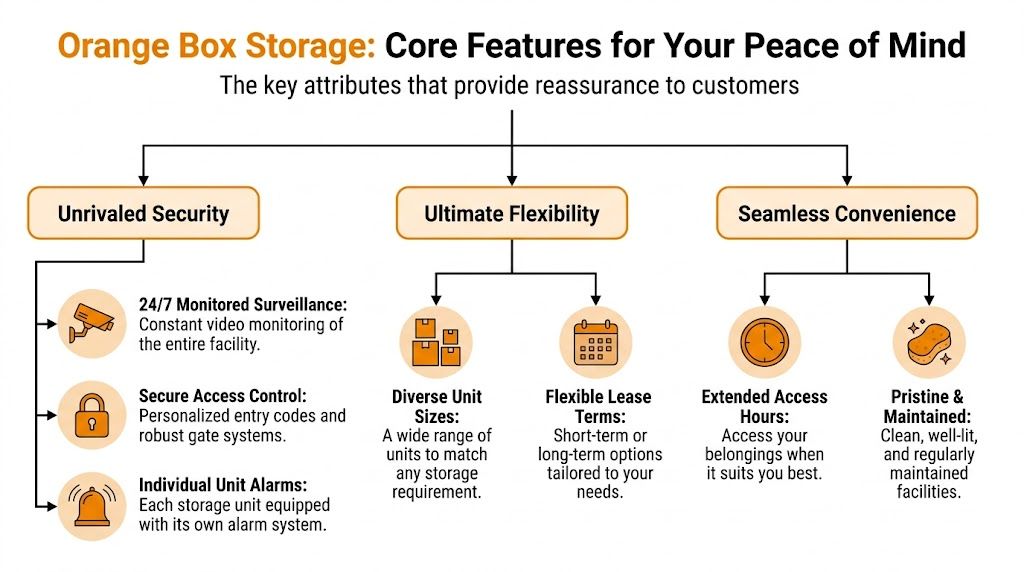
Our Core Features Your Peace of Mind
A good storage facility proves itself on an ordinary day. You arrive with a van full of furniture, trade stock, or archive boxes. You want to get in, unload safely, and leave knowing the contents are protected by more than a padlock on a door.
Security that closes common gaps
At Grantham, security is built in layers. The site combines dual-layer perimeter protection, round-the-clock CCTV, and electric gated entry. That matters because each measure covers a different part of the risk.
Controlled entry helps limit who gets onto the site in the first place. CCTV provides a recorded view of activity across the facility. Perimeter protection adds another barrier before anyone reaches the units. For a customer, that is the difference between a site that says it is secure and one that has clear controls in place.
The practical benefit changes depending on what you store:
- Households get a safer place for sofas, white goods, packed boxes, and sentimental items than a basic lock-up with minimal oversight.
- Tradespeople can store tools, materials, and equipment with less worry about easy access at the perimeter.
- Retailers and office users get a more dependable setup for stock, files, and business equipment that would be expensive or disruptive to replace.
Ask direct questions before choosing any facility. How is entry controlled? How is the site monitored? What would stop someone reaching the unit area without authorisation? Those answers matter more than a vague promise of security.
Climate control that suits what you are actually storing
Space alone is not enough if the contents are sensitive to changing conditions. Indoor climate-controlled units keep the environment stable, which is often the better choice for electronics, paper records, upholstered furniture, artwork, and older wooden pieces.
That stability matters in Grantham because customers are not all storing the same kind of goods. A homeowner may need to protect a dining set and family paperwork during a move. An online seller may be holding packaged stock that needs to stay clean and dry. An office may be storing archived files that need to come back out in the same condition they went in.
The point is simple. The right environment protects the contents, not just the room.
Insurance and assessing true value
Price matters, but so does exposure to risk. A lower weekly rate can stop looking like a saving if the items in storage are costly to replace or important to day-to-day business.
Check what cover applies before move-in. Confirm how value should be declared, what the policy includes, and where the limits are. Orange Box Self Storage provides guidance on contents insurance for storage units, and it is worth reading before you finalise your inventory.
That is often where customers make a better decision. They stop comparing units on headline price alone and start looking at what they are getting: controlled access, monitored security, stable indoor conditions, and clear insurance arrangements. For furniture, stock, tools, or records, those details usually decide whether storage feels dependable once the door is shut.
Tailored Storage Solutions for Every Need
Storage works best when the unit matches the job. A family clearing a house, a retailer holding stock, and a contractor rotating tools between sites all use space differently. The right setup saves time, protects what is stored, and avoids paying for features that do not help.

For homeowners and renters
Household storage usually starts with a clear purpose. A move, a renovation, a probate clear-out, or the need to get spare furniture out of the way. Then the volume grows faster than expected.
Indoor units suit this kind of use because they keep sofas, mattresses, boxes of books, and family paperwork in better condition while the home situation changes around you. In practice, the question is simple. Would you leave the item in a garage or shed for weeks and expect it to come back out unchanged? If the answer is no, store it indoors.
Access matters too. If you are redecorating room by room or need to retrieve documents, pram parts, or seasonal items, a unit that is easy to visit makes the whole job less frustrating.
For online retailers and office-based businesses
Business storage needs to support daily work. Stock has to be counted and picked without tearing the unit apart. Records need to stay ordered. Packaging needs to stay clean enough to use.
A stable indoor environment is often the better fit for electronics, documents, labelled stock, and products with presentation value. That matters for Grantham businesses using storage as overflow space, not dead space. If items are sold online, sent to customers, or kept for compliance, condition and organisation affect cash flow and admin time.
Layout matters as much as square footage. Leave a central walkway, keep fast-moving stock near the front, and label shelving clearly. This guide on how to organize a storage unit for maximum space and access is a useful reference if you want the unit to work like a small stockroom rather than a pile-up.
For tradespeople and contractors
Tradespeople usually need speed and practicality more than delicate storage conditions. Tools in hard cases, boxed fittings, signage, and site materials often need straightforward loading and unloading with minimal wasted movement.
That is where unit type becomes a real trade-off. Indoor space gives better protection for boxed stock, power tools, and items you do not want exposed to fluctuating conditions. Drive-up access can be more efficient for heavier kit and repeat collections. The best choice depends on what you carry, how often you visit, and whether the priority is protection or loading convenience on a wet Tuesday morning.
For students and short-term users
Short-term storage should stay simple. Store what you need, keep the booking flexible, and avoid paying for space you will not fill.
Students, temporary movers, and people between properties usually do best with smaller units and clear term lengths. If you are unsure how much room you need, Orange Box Self Storage provides a practical self storage unit size guide to help you match the unit to the contents before move-in.
Orange Box Self Storage offers personal, business, container, and student storage across its network. That range matters because different customers in Grantham are solving different problems, from protecting furniture during a move to keeping business stock ready for dispatch.
Choosing Your Perfect Unit Size and Value
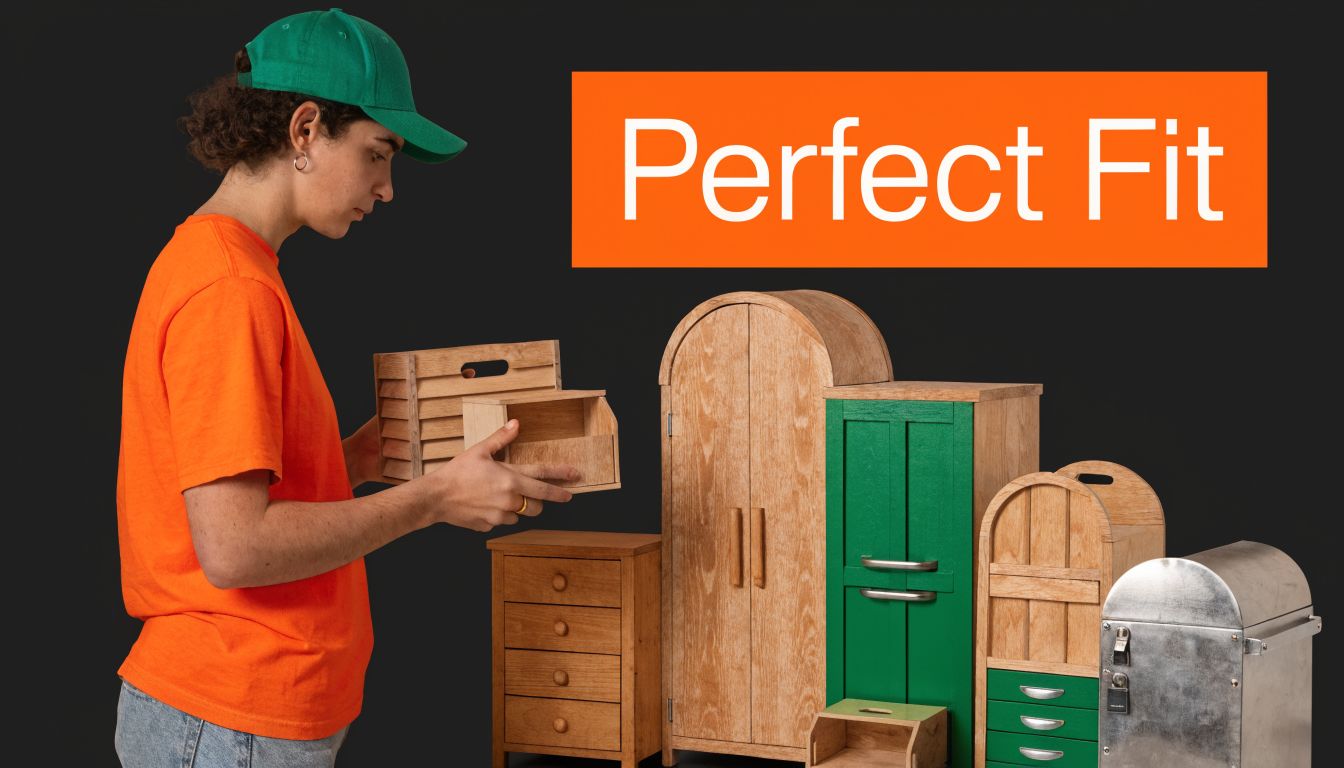
Individuals don’t struggle because storage is complicated. They struggle because it’s hard to picture what a unit size means until they’re standing in front of one.
A simple way to think about size
Small units are usually right for boxes, seasonal items, smaller pieces of furniture, and the contents of a cupboard, spare room, or office corner. Medium units suit partial house moves, business stock, or the contents of several rooms. Large units are for full household moves, heavier business use, or stock that needs room to be handled properly.
Use the guide below as a starting point.
| Orange Box Self Storage Grantham Unit Size Guide | Equivalent To | Ideal For |
|---|---|---|
| 20-50 sq ft | A large cupboard or small garden shed | Boxes, seasonal items, student storage, small household overflow |
| 75-150 sq ft | A garage-sized space | Furniture from several rooms, business stock, office equipment |
| 200+ sq ft | A large room or substantial storage area | Full house contents, bulk inventory, larger commercial use |
If you’re torn between two sizes, think about access rather than pure fit. A tightly packed unit can waste time every time you visit. If you’ll need regular retrieval, leave yourself a walkway and stack with a plan.
Vorby has a useful guide on how to organize a storage unit for maximum space and access if you want a sensible layout before move-in.
Leave the items you’ll need first near the front. That one decision saves more frustration than any packing trick.
What value looks like in practice
Price matters, but useful value comes from matching the unit to the job. Orange Box Self Storage pricing starts from £11.95 per week, and self-storage can save customers 40–60% compared with traditional warehouse space (why more people are choosing flexible self-storage).
The available pricing ranges are clear:
- Small units: £60-£120 monthly
- Medium units: £180-£300 monthly
- Large units: from £360 monthly
- Container storage: £12-£18 weekly
That pricing structure helps in two ways. First, households can avoid paying for space they won’t use. Second, businesses can scale space more cautiously instead of stepping straight into conventional warehousing.
Flexible contracts are part of the value as well. If your need is temporary, you don’t want a long commitment trailing behind it.
For a closer fit before booking, the self-storage unit size guide is useful for narrowing down what size matches your load.
Unmatched Convenience and Local Access in Grantham
The right storage site should fit into your route, not dominate your day. That’s one reason the Grantham location works so well for both local residents and businesses. It’s positioned near major transport routes, which makes routine visits simpler when you’re balancing work, deliveries, or a house move.
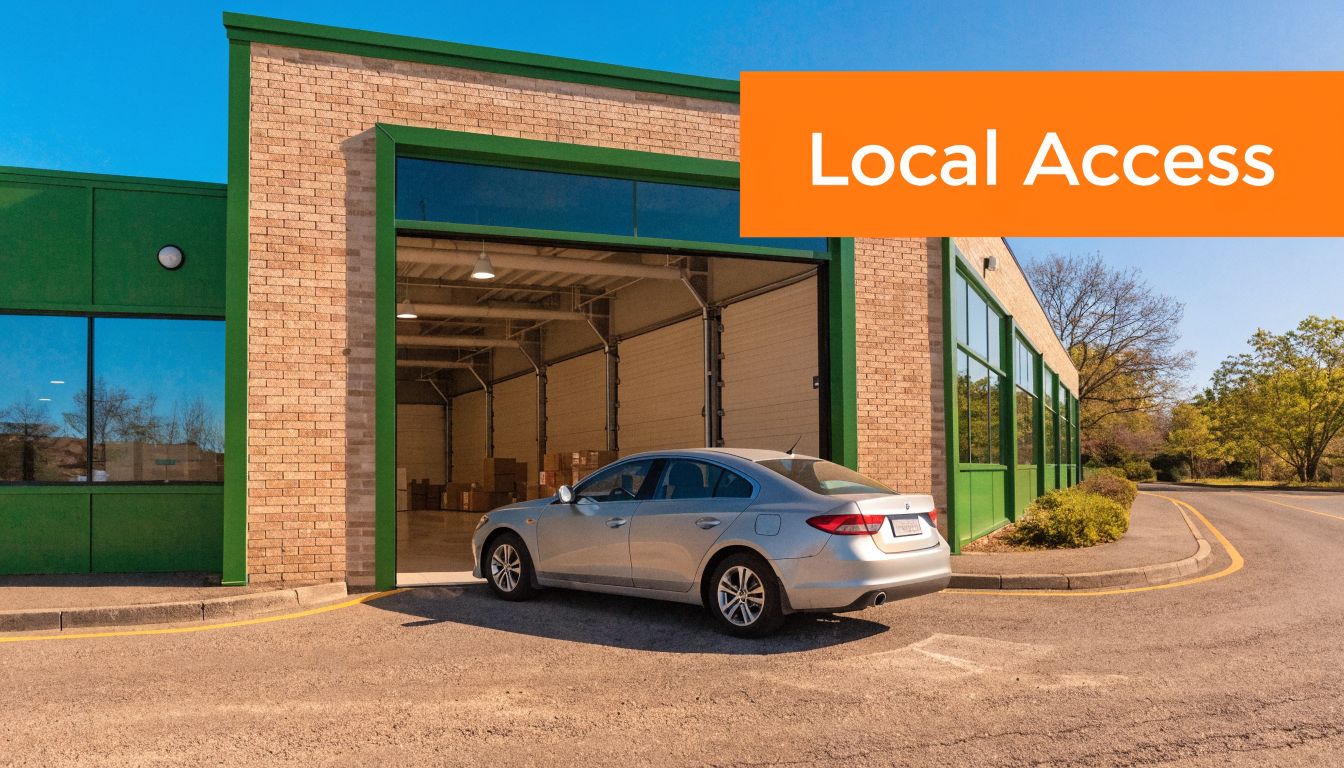
Why location changes the experience
A poorly placed unit becomes a chore. You delay drop-offs. You avoid quick collection trips. Stock runs wait until there’s “time,” which usually means the end of the week.
A well-placed site supports ordinary use:
- For families: easier trips during a move, renovation, or clear-out
- For businesses: simpler stock rotation and less disruption to the working day
- For tradespeople: quicker stops before or after a job
That’s not a luxury. It’s what makes storage stay useful after the first week.
Access should feel routine
The most practical storage arrangements are the ones you stop thinking about. You know where the site is, you can reach it without planning half the day around it, and loading in or out feels manageable.
If you’re comparing options nearby, it helps to look at secure storage near me and judge each facility by route convenience, loading ease, and how often you’ll realistically need to visit.
The best location is the one you’ll actually use properly. Convenience protects value because it keeps your unit working for you, not sitting forgotten.
How to Book Your Unit and Frequently Asked Questions
You’ve got a van loaded, a house completion date looming, or stock piling up in the workshop. At that point, booking needs to be clear and quick, but it also needs to be right. The wrong unit type or size creates problems on day one, from wasted space to awkward access.
The booking process works best when you start with the contents, not the unit label. Furniture, boxed household items, retail stock, tools, and archived paperwork all store differently. A practical booking conversation should narrow down three things first: what you’re storing, how often you’ll need to get to it, and whether the contents need a more controlled indoor environment.
How to book
-
Choose the storage type based on use, not guesswork
Indoor storage usually suits furniture, documents, business stock, and anything that benefits from a cleaner, more stable environment. Drive-up or container-style storage often makes more sense for heavier loads, repeated access, or job-related equipment that needs to go in and out quickly. -
Work out the size from your biggest items first
Start with wardrobes, sofas, shelving, white goods, workbenches, or pallet loads. Then account for boxes and leave enough room to reach the items you may need before everything else comes out. That matters more than squeezing everything into the smallest possible unit. -
Reserve once the access pattern is clear
If you expect frequent visits, book with loading convenience in mind. If the unit is mainly for longer-term storage, packing density and protection matter more. Once those details are settled, booking online or by phone is straightforward.
If you are unsure, describe the contents in plain terms. “Two bedroom flat with white goods” or “online retail stock plus packing bench” is far more useful than a rough square-foot estimate.
Frequently asked questions
Can I store household and business items together
Often, yes, provided the contents are allowed and packed in a way that keeps the unit safe and usable. The main consideration is layout. Mixing boxed stock with household furniture can work well if there is a clear route through the unit and nothing delicate is trapped behind heavy items.
Do I need to think about prohibited items before move-in
Yes. It saves time and avoids problems at the point of arrival. Check the rules before packing the vehicle so you are not sorting through boxes in the car park or taking items back home.
Is short-term storage possible
Yes, and it is one of the most practical reasons to use self-storage. House moves, renovation projects, temporary stock overflow, and between-tenancy gaps rarely fit a long fixed contract. Flexible terms let you use space for the period you need.
Should I choose indoor or container storage
Choose according to the contents and the way you will use the unit. Indoor storage is usually the better fit for upholstered furniture, paperwork, clothing, electronics, and business stock that needs steadier conditions. Container storage often suits tools, materials, and bulky loads where fast loading is the priority.
For tradespeople, that can mean less time carrying gear across corridors. For online retailers, indoor space often makes more sense because packaging, labels, and stock stay in better order. The right choice is less about price alone and more about how often you need access, what the contents can tolerate, and how much handling you want on each visit.
Do I need a lock and insurance
Check both before move-in. Site security matters, but it does not replace the need to secure your own unit properly or make sure the contents are covered. That is part of storing responsibly, especially if the unit contains higher-value goods, tools, or business stock.
If you need extra space in Grantham without making the process harder than it needs to be, Orange Box Self Storage is a practical option for household storage, business stock, student moves, and equipment overflow. Compare the unit type against the job you need it to do, then book the size that gives you enough room to store and retrieve items properly.