

You're usually not looking for derby storage units on a relaxed day. It's more often because the spare room has stopped being spare, a tenancy date has shifted, a house move is taking longer than planned, or stock has started taking over the office.
That's why the right storage choice matters. In Derby, people tend to need space for practical reasons, not vanity ones. Students need somewhere reliable between terms. Families need breathing room during renovations or moves. Local businesses need somewhere secure for stock, tools, archives, or seasonal equipment without committing to larger premises.
The useful question isn't just “Where can I find storage?” It's “What kind of storage fits my situation, my budget, and the things I need to protect?”
Why You Might Need a Storage Unit in Derby
You usually realise you need storage at an awkward moment. The removal date changes, the new tenancy is not ready, the baby is due next month, or the spare room has become a stockroom. In Derby, that pressure is often practical and time-sensitive.
Local needs tend to fall into a few clear groups. Students at the University of Derby often want short-term space between term dates instead of hauling boxes home for summer. Families use storage during moves, probate clearances, renovations, or downsizing. Small businesses across Derby use it to keep tools, stock, records, and seasonal materials out of the house or away from valuable workspace. The East Midlands climate also plays a part. Garages, lofts, and sheds are rarely the right place for paperwork, soft furnishings, electronics, or anything that suffers in cold and damp conditions.
Common Derby situations where storage helps
A storage unit usually earns its keep when you need space quickly, but do not want to make rushed decisions about what to keep, sell, move, or donate.
- Home moves with awkward timing: Property chains slip, completion dates change, and keys do not always line up neatly.
- Renovation or decorating work: Keeping furniture and boxes off-site cuts the risk of dust, paint marks, and accidental damage.
- Student holidays and tenancy gaps: Short-term storage is often easier and cheaper than repeated trips across the country.
- Downsizing or clearing a family property: Storage gives you time to sort properly rather than forcing decisions in a single weekend.
- Running a local business from home or a small unit: Extra stock, files, tools, exhibition kit, and packaging materials can take over fast.
- Seasonal overflow: Bikes, garden furniture, Christmas decorations, and sports kit do not need to live in your hallway all year.
I see one mistake all the time. People leave it too late and try to solve a space problem by stacking higher in the loft, filling the garage, or blocking access to things they still need every week. That saves money for a month or two, then creates a bigger headache when something important is buried at the back.
A unit is often the better option once your home stops working properly. If the garage no longer fits the car, the spare room no longer works as a room, or business stock is creeping into the landing, you are already paying for the lack of space in stress and lost time.
For more examples of situations where storage makes sense, Orange Box Self Storage has a practical guide to common reasons people use self-storage.
Choosing Your Perfect Derby Storage Unit Size
Many renters either book a unit that is too small and face difficulties on move-in day, or choose one that is too large and pay for unused space. A better approach is to think in terms of real rooms and actual items.
A small unit feels more like a tidy cupboard or walk-in wardrobe. A mid-sized unit starts to handle the contents of a flat. A larger one works more like a single garage without the cold, clutter, and awkward access.
Think by category, not by square footage alone
Before picking a size, split your items into groups:
-
Boxes and bags
These stack well if they're packed properly and kept uniform. -
Furniture
Beds, sofas, wardrobes, and dining tables change the size requirement quickly. -
Awkward items
Bikes, gym kit, pushchairs, filing cabinets, and shelving units often take more room than expected. -
Access needs
If you'll need regular access, leave an aisle. Don't book a unit based on maximum squeeze.
Practical rule: If you need to visit the unit often, size up slightly so you can organise it instead of building a wall of boxes.
Orange Box Self Storage Unit Size Guide
| Unit Size (sq ft) | Equivalent To | What It Holds | Ideal For |
|---|---|---|---|
| Small locker | A large hallway cupboard | Boxes, suitcases, documents, seasonal items | Students, document storage, decluttering |
| Around 25 sq ft | A walk-in wardrobe | Several boxes, small furniture, bikes | Renters, students, short-term storage |
| Around 50 sq ft | A garden shed | Contents of a studio or part of a one-bed flat | House movers, furniture overflow |
| Around 75 sq ft | Half a single garage | Contents of a one to two-bed flat | Couples, growing households |
| Around 100 sq ft | A single garage | Furniture, appliances, and boxed contents of a typical home move | Families, business stock, long-term use |
| Larger rooms | More like a small warehouse space | Bulkier furniture, pallets, stock, tools, archive runs | Businesses, trades, larger home moves |
The primary goal is to visualize volume accurately. A dismantled bed frame and stacked chairs take far less room than assembled furniture. A sofa, fridge, and dining set, on the other hand, push you into a larger unit much faster than expected.
Quick ways to avoid sizing mistakes
Here are the checks I'd use before booking:
- Count your big pieces first: Sofas, mattresses, wardrobes, desks, and white goods decide the baseline size.
- Estimate boxed items second: If everything else is “just boxes”, ask how many and whether they'll stack safely.
- Allow for future additions: During a move or renovation, extra items nearly always appear at the last minute.
- Be honest about access: If you'll need camping gear, business files, or student essentials during storage, leave room to reach them.
If you're comparing options, a visual size reference helps more than a floorplan alone. The storage unit size guide is useful for matching unit sizes to household and business needs.
What works and what doesn't
What works is booking around your actual inventory and your access pattern. What doesn't work is choosing purely on monthly price, then discovering your furniture won't fit or your important boxes are trapped behind everything else.
If you're unsure between two sizes, the better decision often depends on duration. For a very short stay, tighter packing can be fine. For longer storage, extra breathing room makes life easier and usually protects the contents better too.
Understanding Security and Climate Control Features
People often focus on size first and protection second. In practice, security and climate control are what decide whether your things come back in the same condition they went in.
Here's the baseline view inside a modern facility.
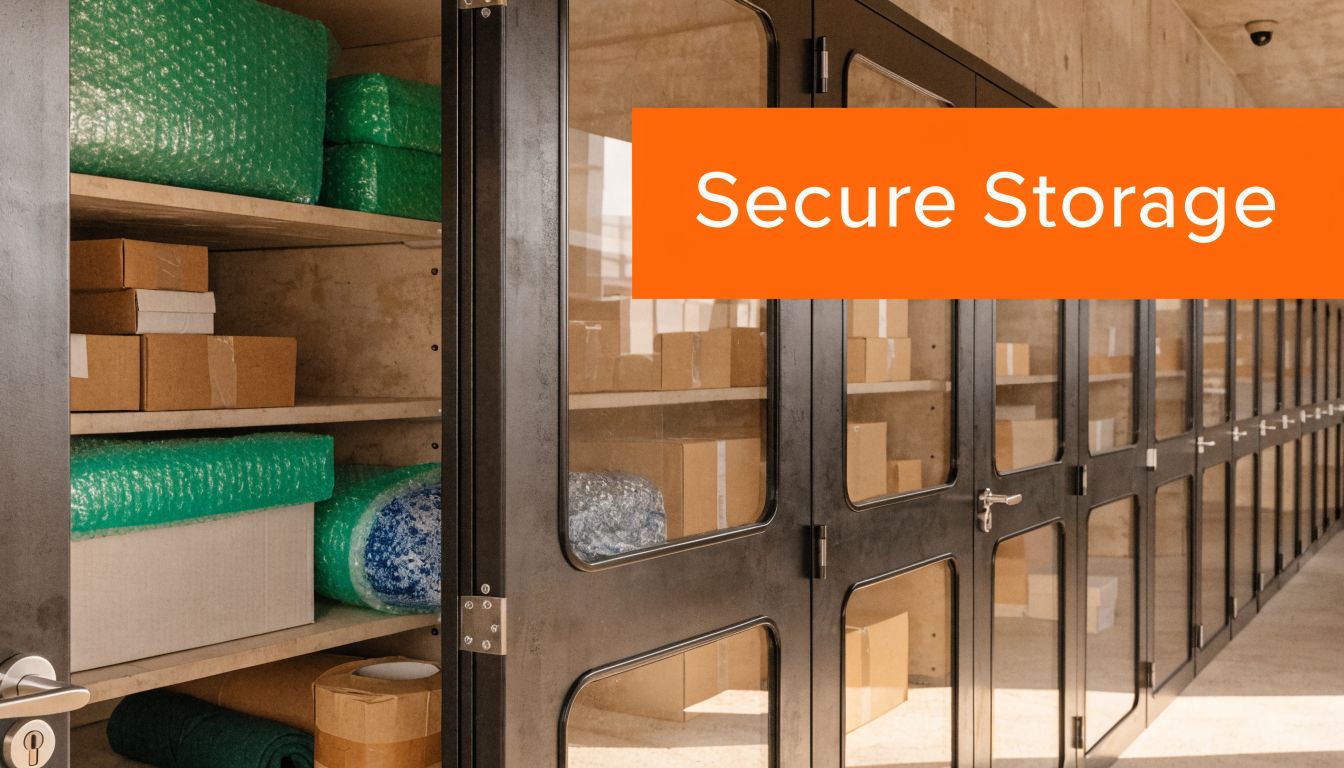
What good site security actually looks like
Good storage security isn't one feature. It's layers working together.
You want controlled entry, clear surveillance coverage, secure unit access, and processes that reduce avoidable risk. If a facility only talks about CCTV but says little about access control or unit-level protection, ask more questions.
A sensible checklist includes:
- Gated or controlled access: Not everyone should be able to walk onto the site.
- 24/7 CCTV: Useful both as a deterrent and for reviewing incidents.
- Individually alarmed units: Site security and unit security aren't the same thing.
- Good lighting and clean sightlines: Staff and customers should be able to see clearly around corridors and access points.
- Clear operating procedures: Deliveries, entry, visitor access, and lock standards should all be managed consistently.
If you want a plain-English breakdown of how layered physical protection works, this guide to a comprehensive site safety and risk assessment is worth reading. It explains why one visible security measure on its own rarely tells the full story.
A secure storage site should make casual access difficult and unauthorised access obvious.
Why climate control matters in Derby
Climate control gets treated as a premium extra. For some items, it's the correct type of storage.
According to guidance on climate-controlled long-term storage, BSI guidelines place storage conditions at 10-24°C with 40-55% relative humidity, and SSAUK audits show facilities with this technology can reduce damage claim rates by up to 40% compared with non-climate units.
That matters in Derby because the local climate is often damp for long stretches. Furniture, paper records, books, artwork, electronics, and clothing don't all fail in the same way, but they do all react badly to unstable conditions.
What belongs in a climate-controlled unit
Choose climate control when you're storing items such as:
- Wood furniture: Changes in moisture can lead to swelling, shrinking, or warping.
- Documents and books: Damp conditions are bad news for paper, folders, and archive boxes.
- Electronics: Fluctuating moisture levels can affect internal components and packaging.
- Artwork and collectibles: These need stable conditions, not just a locked room.
- Soft furnishings and clothing: If items go in even slightly damp, poor storage conditions make the problem worse.
One factual option in Derby is climate-controlled storage units, which suit sensitive household and business items better than standard space when moisture and temperature stability matter.
Trade-offs that are worth understanding
Climate-controlled space can cost more than a basic unit. That doesn't mean everyone needs it. Garden tools, some sealed plastic items, and durable equipment may be fine in standard storage if they're packed properly.
But if replacing the item would be expensive, difficult, or impossible, the cheaper unit isn't always the cheaper decision.
Navigating Pricing and Contracts in Derby
You get a quote for a storage unit and it looks fine at first glance, but then actual questions start. How long is that price valid for, what happens after the offer ends, and does the cheaper unit still make sense if access is awkward or the contract is tight?
That is the point where Derby customers usually save money or waste it.
Storage pricing in Derby is rarely just about floor space. The monthly cost usually reflects four things at once: how much room you need, how easy the unit is to access, what level of protection the facility offers, and whether you need features such as climate control. A student between tenancies in the city centre may prioritise a short, flexible stay. A family in Allestree clearing a house before sale may care more about access for repeated trips. A local business on an industrial estate may focus on predictable long-term costs.
What usually changes the monthly price
Size still matters, but value is not always linear. I often see customers squeeze too hard on unit size, then end up stacking badly, damaging boxes, or needing a second room. In practice, a slightly larger unit can be the cheaper choice if it lets you store properly and reach what you need.
The main price drivers are:
- Unit size: More space costs more, but not always in a simple step-by-step way.
- Storage type: Climate-controlled units usually sit at a higher price because conditions are actively managed.
- Length of stay: Some providers price short stays differently from longer rentals.
- Access and facility standard: Ground-floor access, longer opening hours, newer facilities, and better loading arrangements can affect the rate.
Derby location plays a part too. If you live near the University of Derby and only need summer storage, convenience may matter more than shaving a small amount off the monthly price. If you are storing furniture through a longer East Midlands winter, protecting the contents properly may be the better financial decision.
Questions to ask before you agree
A decent storage quote should be easy to follow. If the wording is vague, ask more questions before you sign anything.
Check these points:
-
Is the quoted rate temporary or ongoing?
Intro offers can be useful, but you need to know the standard monthly charge after that period. -
How much notice do you need to give?
Rolling contracts are helpful only if leaving is simple and clearly explained. -
What extra charges apply?
Insurance, padlocks, deposits, admin fees, and late payment charges should all be clear upfront. -
How and when can you access the unit?
A lower monthly rate loses its appeal if you can only get in at awkward times. -
Are there restrictions on what you can store?
This matters for business stock, tools, paperwork, and anything sensitive to damp or temperature changes.
Cheap storage often stops being cheap once the details come out. A rigid contract, poor access, or the wrong unit type can cost more than a slightly higher monthly rate.
Short-term versus long-term agreements
Short-term agreements suit Derby residents whose plans may shift quickly. Student moves, chain delays, renovation work, and temporary downsizing rarely run to a perfect timetable. In those cases, flexibility usually matters more than chasing the lowest headline figure.
Long-term storage works differently. If you are storing business stock, archived files, seasonal equipment, or household overflow for months rather than weeks, focus on consistency. A clear contract, stable pricing, suitable access, and the right unit conditions usually matter more than a one-off deal.
The best contract is the one that fits the actual job. Not the one that only looks cheapest on day one.
Specialist Storage for Derby Students and Businesses
Derby storage units are often judged as if everyone uses them the same way. They don't. A student storing for summer has a very different job to do than a business owner storing stock, tools, or archived records.
That difference matters because the right unit isn't only about size. It's about access pattern, protection level, and how often the contents change.
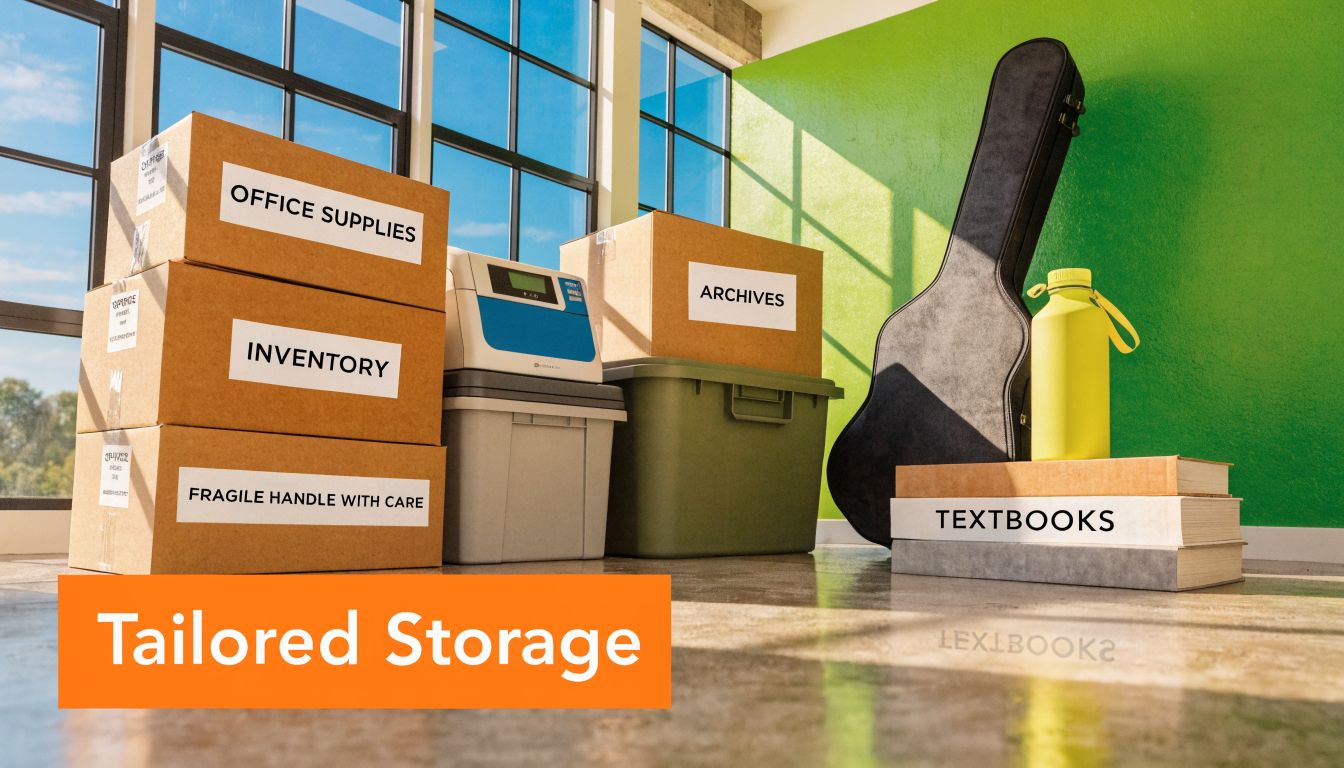
For students at the University of Derby
A typical student problem is simple. The tenancy ends, the next place isn't ready, and dragging bedding, kitchen kit, books, and clothes back home for a few weeks is a pain.
For students, what works well is:
- A smaller unit with simple access: Enough for boxes, luggage, small furniture, and course materials.
- Short, flexible terms: Student timelines change fast.
- A proper packing plan: Keep essentials near the front so move-out and move-in both stay manageable.
What doesn't work is splitting belongings between friends' houses, car boots, and family garages. Items get lost, damaged, or forgotten, and the return journey becomes harder than it needs to be.
For local businesses and trades
Business storage in Derby tends to fall into a few clear categories. Retailers and e-commerce sellers need overflow room for stock. Offices need space for archived files and spare equipment. Tradespeople need somewhere secure for tools, materials, and bulky gear that doesn't belong at home.
With 15% of Derby households being renters who often need seasonal storage, and rising humidity events in the East Midlands, demand for secure, climate-protected units for personal and business use has risen by 25%, according to local Derby storage demand data.
That rise makes sense on the ground. More moves create more temporary storage needs, and more damp conditions make better protection more relevant for files, furnishings, packaging, and inventory.
Matching the setup to the job
For business users, these are the usual best fits:
- Archive storage: Better in a dry, stable environment with clear labelling and shelf-friendly boxes.
- Stock holding: Best in units you can organise by SKU, season, or order cycle rather than piling floor to ceiling.
- Tool and equipment storage: Choose practical access and straightforward loading over fancy extras you won't use.
- Seasonal business materials: Event kit, promotional stands, and excess packaging benefit from one dedicated home instead of being scattered.
Orange Box Self Storage offers personal, student, business, and climate-protected storage from its Derby site, with unit sizes ranging from smaller spaces to larger rooms and flexible terms for different use cases.
For students and businesses alike, the smartest unit is the one that fits the routine, not just the contents.
Packing and Moving Your Belongings Like a Pro
A good storage experience starts before the van is loaded. Most problems come from poor packing, not the unit itself. Crushed boxes, hidden labels, loose hardware, and blocked access create headaches later.
This workflow keeps things simple and saves time on move-in day.
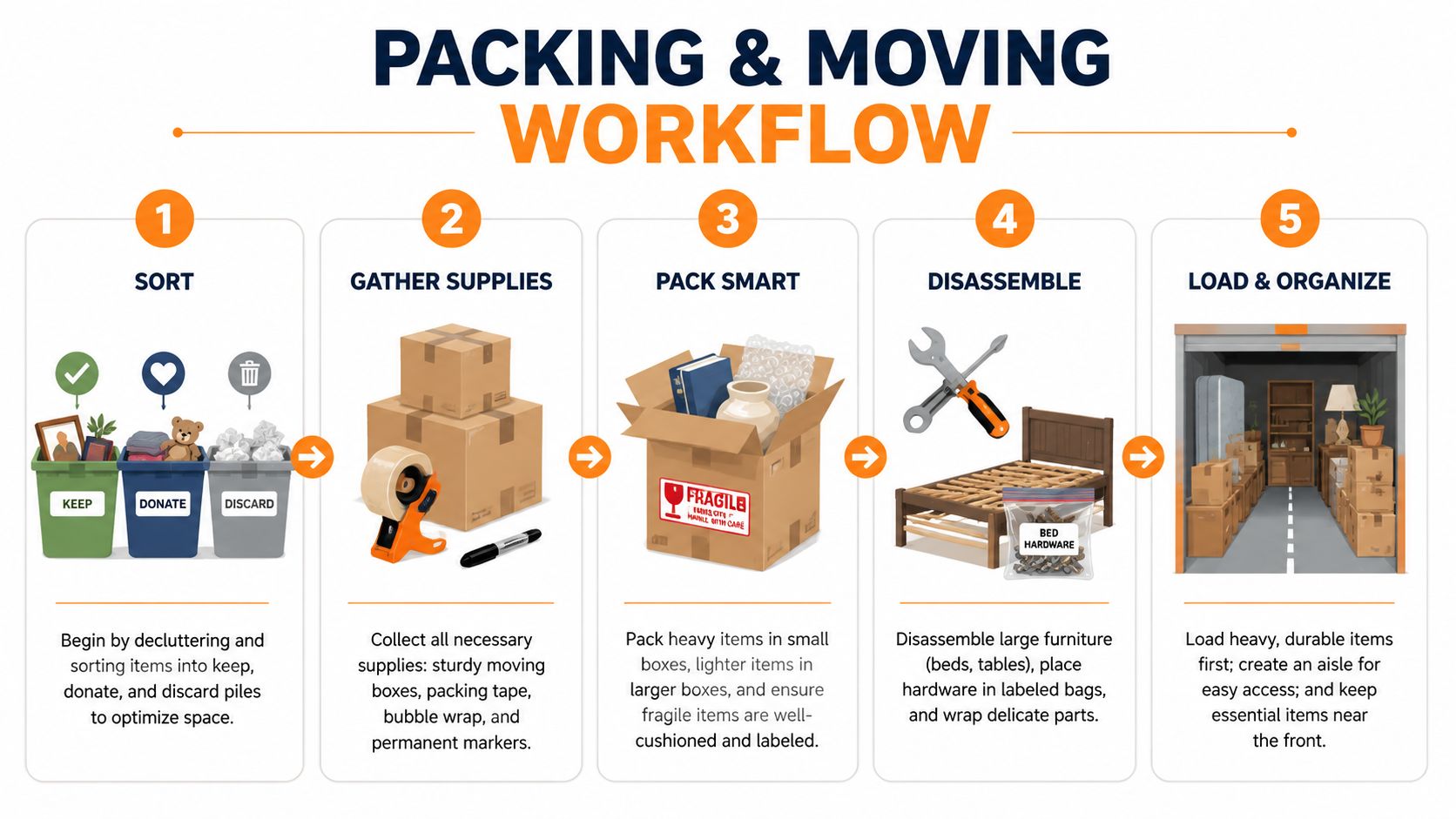
Pack for storage, not just for transport
A lot of people pack as if they're only moving items across town for one day. Storage needs a different mindset. You're preparing things to sit safely, stack properly, and stay findable.
Use this order:
-
Sort first
Separate keep, donate, and discard before you buy boxes. Don't pay to store items you already know you don't want. -
Use sturdy, similar-sized boxes
Uniform boxes stack better and reduce collapse risk. -
Label the side, not just the top
Once boxes are stacked, top labels disappear. -
Wrap furniture and soft items properly
Use protective covers and keep fabrics clean and dry before they go in.
Load the unit with access in mind
The fastest way to make a unit frustrating is to fill every inch from front to back with no plan. Start with heavier, sturdier items at the rear and build forward.
A practical layout looks like this:
- Back of unit: Beds, wardrobes, sofas, appliances, and long-term items.
- Middle zone: Stacked boxes, tables, chairs, and medium-use items.
- Front area: Things you may need soon, such as documents, student basics, tools, or seasonal gear.
- Centre aisle: Leave a narrow walkway if you'll need repeat access.
Don't build a perfect wall of boxes if you know you'll need the suitcase, the file box, or the cot next month.
Small habits that prevent big problems
A few details make a real difference:
- Keep hardware in labelled bags: Tape them securely to the matching item where possible.
- Don't overfill boxes: Heavy boxes split. Light boxes crush if stacked under them.
- Avoid trapping moisture: Never store damp clothing, rugs, or furniture.
- Take photos as you load: It helps with finding items later and remembering the layout.
Packing well isn't glamorous, but it's what turns storage from stressful into straightforward.
Your Derby Storage Questions Answered
What items usually can't go into storage
Rules vary by facility, but hazardous, illegal, flammable, and perishable items are commonly restricted. Ask for the prohibited-items list before move-in day, especially if you're storing tools, paints, fuel-related equipment, or business materials.
Do I need insurance
Many customers do. The exact arrangement depends on the provider and the value of what you're storing. The key is to check what's covered, what isn't, and whether you need to arrange your own policy.
Is climate control always necessary
No. It depends on what you're storing. Durable items may be fine in standard storage if they're clean, dry, and packed correctly. Documents, wood furniture, electronics, artwork, and other sensitive belongings are where climate control becomes much more important.
How much notice do I need to leave
That depends on the contract. Always check the notice period, minimum stay, and any move-out requirements before booking. Good storage should feel clear, not complicated.
What's the simplest way to choose the right unit
Start with your inventory, not the price list. Count furniture, estimate boxes accurately, think about access, and decide whether climate protection is needed. That gives you a practical shortlist very quickly.
The right derby storage units choice usually comes down to four things. Enough space, the right protection, fair terms, and access that suits your routine. Get those right and the whole process becomes much less stressful.
If you're ready to compare options and book a unit that fits your move, your business, or your student break properly, take a look at Orange Box Self Storage. You can review the available storage types, check sizes, and choose a setup that matches what you need.